


We put around 460 tonnes of packaging into circulation every year. In online retail, parcels are part of our business model.
1.5 million parcels per year with around 2.5 items per parcel – as an online retailer, we are also aware of this problem. However, packaging is essential for protecting our products and ensuring fast shipping is logistically feasible. As mountain sports enthusiasts, we feel responsible for nature and, due to the enormous environmental impact and the increasing demand from our customers, we want to make our packaging as environmentally friendly as possible.
That is why we have taken a close look at the materials and packaging options available to us in order to find the most resource-efficient and environmentally friendly option currently available.
But what does "environmentally friendly" mean and what does it mean for our packaging material? This is a rather complex question that still leads to much discussion among experts. Many aspects come into play: from the resources used and the energy consumed during production to the final recycling of the packaging at the end of its life. Of course, the best alternative would be to simply do without packaging altogether. However, as we want to deliver our products to our customers clean, undamaged and as quickly as possible, we cannot completely do without packaging.

Cardboard packaging: Depending on the type of cardboard, we have a minimum of 70% recycled content, i.e. the cardboard is made from waste paper. Compared to virgin fibre paper, this saves up to 15% CO2e.
(Source: https://www.umweltbundesamt.de/papier-druckerzeugnisse#vorteile-von-recyclingpapieren).
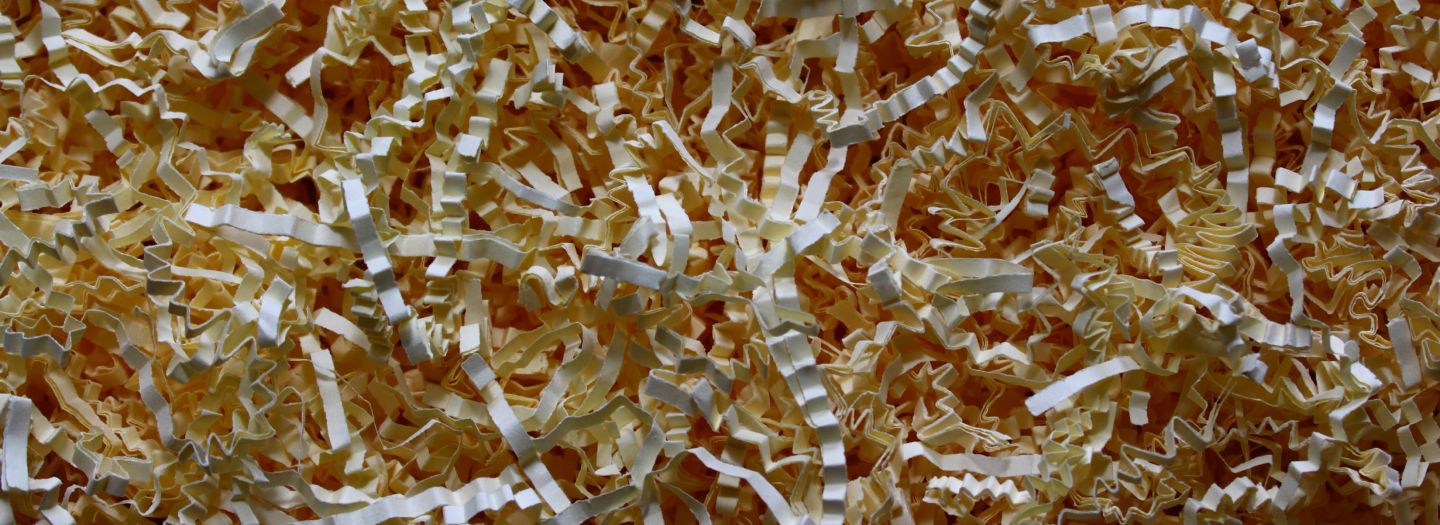
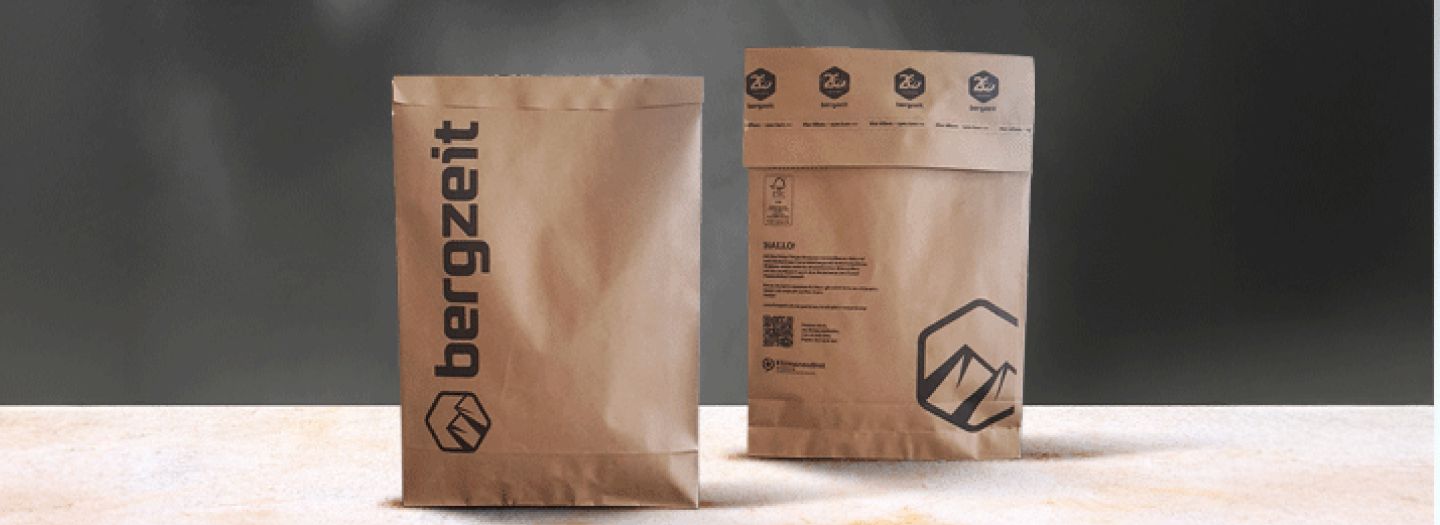
In addition, we use so-called automatic cartons for up to 25% of our parcels, which means that the height is reduced during the process and we ship less air. In Germany (AT/CH), our waste paper recycling system works very well and cycles are closed, which is why we consider paper to be the most sensible, recyclable raw material we can currently use. We try to reduce the use of materials by, for example, optimising the corrugated cardboard quality of our boxes together with our logistics and quality management teams so that as little corrugated cardboard as possible is used per box – this is a painstaking task, but with 1.5 million parcels a year, it adds up to a lot. From tear strips to adhesive tape, we are trying to switch all packaging materials to paper-based alternatives as far as possible.
-
FSC Recycled: FSC Recycled is found on products that consist exclusively of recycled material, e.g. paper.
-
RESY: The RESY organisation guarantees the complete disposal and material recycling of all transport and outer packaging made of paper and cardboard marked with the RESY symbol.
-
WFTO: The WFTO certificate is a seal of approval for fair trade. It guarantees that products are manufactured under fair and ethical working conditions.
-
Global Recycled Standard: The Global Recycled Standard (GRS) certificate confirms that products have been manufactured from recycled materials and meet strict environmental and social criteria.
-
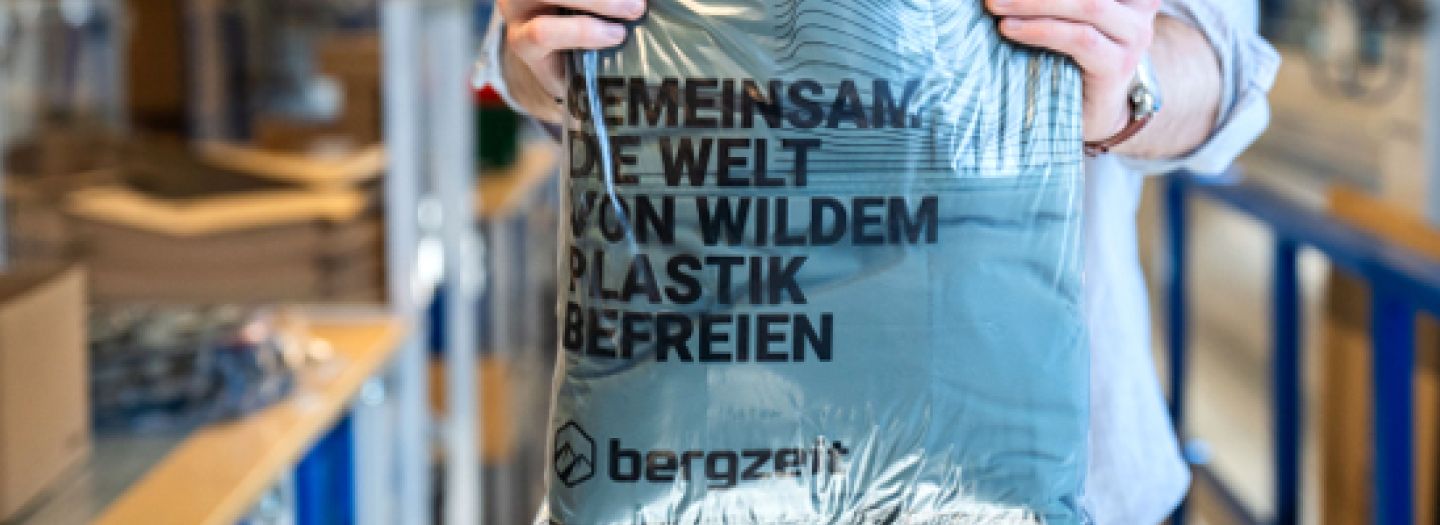
Ocean Bound Plastic: The Ocean Bound Plastic certificate guarantees that products are made from plastic waste collected from coastal regions, thereby preventing ocean pollution.
-
EU-Cert Plast: The EU-Cert Plast certificate ensures that plastic products comply with strict European environmental and safety standards. It promotes the circular economy and reduces the use of new plastic through the use of recycled materials.